

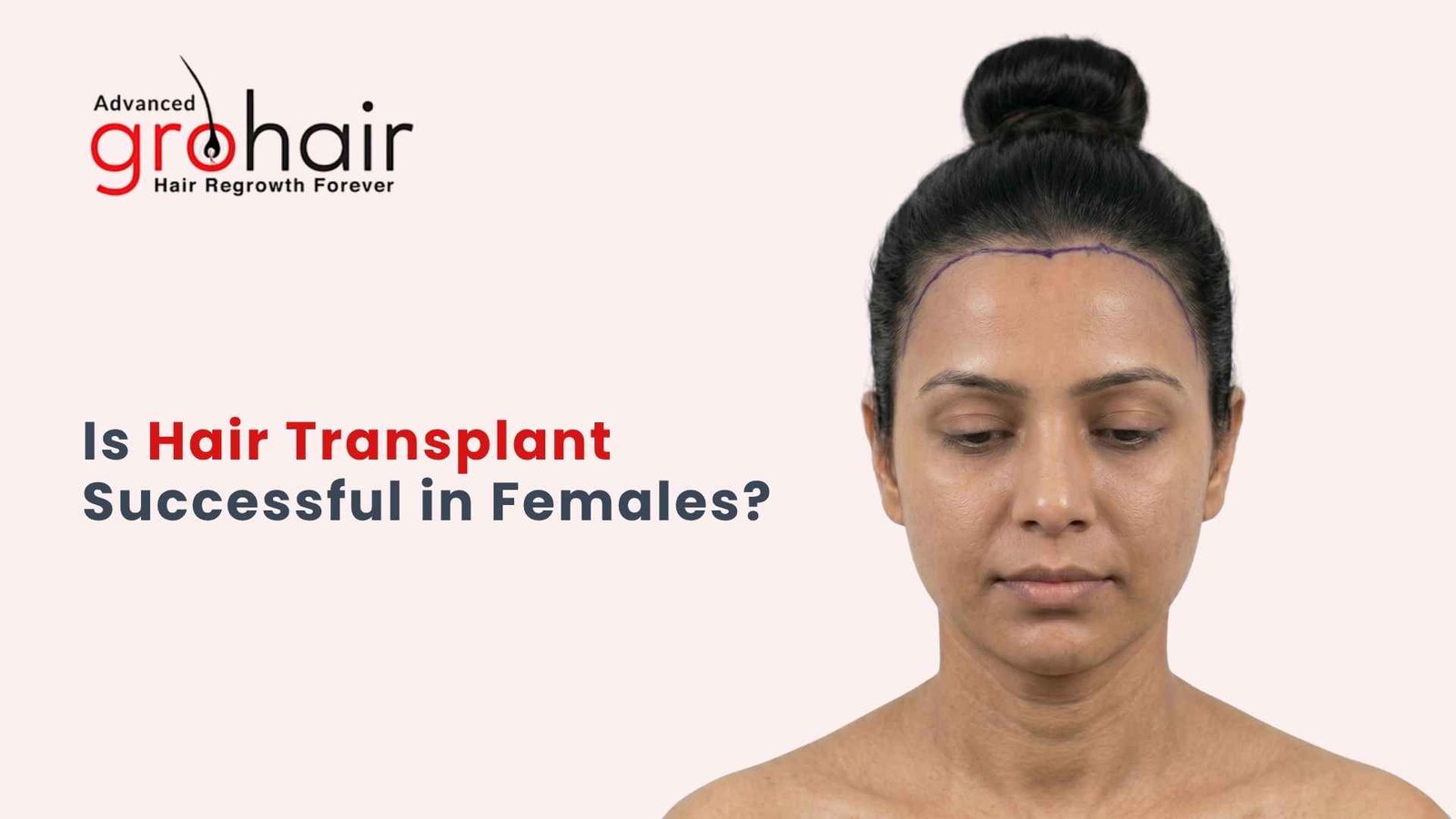
Suffering from hair loss in women is one of the most emotional and distressing times, with millions of women searching for permanent solutions for hair loss.
While male pattern hair loss is more predictable than female hair loss, female hair loss can be complex and can vary from person to person.
The good news is that hair transplant is very successful for women, but only when the candidate is suitable for hair restoration solutions.
The success rate of hair transplants depends on the cause of hair loss, the degree of hair loss, and the availability of a healthy donor area.
Hair transplant in women offers reliable and long-term solutions to restore hair, improve density and volume, and regain confidence.
From hair loss patterns to advanced techniques, here’s a detailed guide on what to expect from a hair transplant procedure at leading hair transplant clinics.
Understanding Female Hair Loss Vs. Male Hair Loss
The biggest reason for hair transplantation for women requiring a different approach is the variation in hair loss patterns.
Key differences between male and female hair loss
- Male hair loss usually has a distinct pattern, like a receding hairline
- Men usually have a prominent donor area at the back of the scalp
- Women often experience hair loss and suffer from hair thinning all across the scalp
This is commonly known as female pattern hair loss or female pattern baldness, a certain form of hair loss that affects overall hair density.
Due to the various patterns of hair loss in women, evaluating the quantity of donor hair is necessary. A transplant is the right approach only when healthy hair is available for extraction.
Who is the Ideal Candidate for a Hair Transplant?
Not every woman going through hair loss is the right candidate for a hair transplant. A qualified hair transplant specialist will be able to assess the best chances of success for the patient.
Key Factors That Make You a Suitable Candidate
The hormonal changes at some of the life stages, such as menopause or pregnancy, may also result in hair loss; hormonal balance and medical history need to be examined before the procedure.
It is important to take note of these symptoms before a hair transplant:
stress,
nutritional deficiencies,
lifestyle factors
1. Hair Due to Traction and Trauma
Women who have gone through hair loss due to traction, like tight hairstyles, or chemical damage caused by treatments, often make great candidates for a hair transplant. This type of hair loss typically affects the female hairline and can be effectively treated with a female hair transplant procedure.
Stable Donor Area
A strong and stable donor area is critical for female hair transplant success. Women who still have thick surrounding hair and healthy hair follicles in specific areas are more likely to achieve positive outcomes.
Resolving Medical Causes First
Factors that contribute to hair loss, such as hormonal imbalances and/or deficiencies, should be treated beforehand. Because a transplant is a surgery, stabilising the body makes sure that the hair that was transplanted stays healthy for a long time.
Ideal candidate selection is crucial for higher success rates.
What is the Success Rate of a Hair Transplant for Women?
Nutrition plays a vital role in controlling hair fall. A balanced diet rich in proteins, iron, and vitamins supports hair growth and improves hair strength.
Foods rich in hair proteins help nourish the hair roots and maintain hair health. Staying hydrated also ensures the scalp remains healthy, preventing hair fall during summer.
How the Procedure Works
- Healthy hair follicles are extracted from the donor area
- These follicles are carefully implanted into areas experiencing hair loss
- The process ensures that the transplanted hair grows naturally
Hair follicle transplantation is a delicate procedure, and when performed appropriately, the outcome is indistinguishable. This procedure causes the permanent growth of hair and a much better density of hair.
Factors That Influence Success
The overall success of female hair transplantation depends on:
- Selecting a suitable candidate for the procedure
- The technique used (such as FUE or FUT)
- The expertise of the surgeon
- Proper post-procedure care
The success of the entire female hair transplantation process will be based on the choice of the appropriate candidate and the application of the methods of transplantation.
Advanced Transplant Techniques for Female Patients
A lot of women are afraid to do so because of the fear of hair shaving. Luckily, the transplant centres today have innovative options that are specifically designed to meet the needs of women.
1. Unshaven FUE Hair Transplant.
The FUE hair transplant technique involves minimal shaving. In this technique:
- A small part of the donor area is trimmed.
- The rest of the natural hair is left intact.
- The procedure is discreet and ideal for women’s hair
This is a hair removal procedure that is among the most popular transplant procedures among women.
2. FUT Hair Transplant
Another sophisticated technique of transplanting hair in women is FUT.
- Enables the accurate positioning of any graft.
- Protects existing hair
- Helps increase the density and volume of hair.
This method is particularly handy in situations when one wants to regain hair density without impacting the areas around it.
Female Hair Transplant Cost
The cost of a female hair transplant is dependent on various aspects.
- The extent of loss of hair.
- The number of hair grafts needed.
- The type of transplant techniques used
- The expertise of the hair transplant clinic
Getting a hair transplant in India is increasingly popular due to access to skilled surgeons and advanced technology. Most foreign patients will choose a female hair transplant in India since there are clinics that provide effective treatments at reasonable prices.
The price of a female hair transplant should be clear, and it has to be discussed during the consultation.
Benefits of a Female Hair Transplant
A female hair transplant has several advantages in the long run.
Key Advantages
- Permanent hair restoration
- Improved hair density
- Natural-looking results
- Minimal maintenance
This hair restoration procedure becomes a life-changing solution to many women, particularly when all other methods of hair loss treatments have failed.
Conclusion
Despite the emotional hardships that may accompany the loss of hair in women, a hair transplant is one of the best long-term solutions. As a hair transplant is a surgical procedure, you need to take action early and see a specialist.
Being aware of the signs of hair loss and knowing whether you are eligible to get a transplant can make a significant difference in the success. A well-planned female hair transplant not only serves to replace hair but also enhances self-esteem and self-worth.
If you experience hair loss, the second thing to do is to meet one of the specialists and discuss the possibility of a hair transplant. It is your time to promote new hair growth and take control of your hair health.
Advanced GroHair Clinic – Medical Team
Madurai
Last Updated: April 21, 2026
Frequently Asked Questions
Click to expand
1. Does PRP treatment surpass hair transplant in women?
+
The purpose of PRP therapy and hair transplant is different. PRP helps to strengthen the hair that is there, whereas a hair transplant replaces the lost hair follicles.
2. Does a hair transplant make a big forehead smaller?
+
Yes, a female hair transplant may lower the female hairline as well as enhance the balance of the entire face.
3. Will hair that is transplanted fall out once more?
+
No. The donor area from which the transplant hair is obtained is stable, and the hair is resistant to additional hair loss.
4. When will I be able to have my hair done?
+
Styling should be avoided for 4–6 weeks following the hair transplant surgery to allow the hair to heal properly.
5. Does female hair transplantation have an age restriction?
+
No strict age limit to the hair transplant procedure, but it is expected that, as a candidate, one must have consistent patterns of hair loss prior to making a decision to undergo a female hair transplantation procedure.